
Transactional Emails: The Most Read and the Most Neglected
How to design an order confirmation without turning it into an ad
Mailvex · 9 August 2026 · 5 min read
Transactional emails — order confirmations, receipts, shipping notices, password resets — are read far more often than campaigns: order confirmations are opened 60 to 70% of the time. And almost nobody designs them: most companies send the bare template their provider supplies. Below is how to build one, and where the line falls beyond which it becomes marketing email with all the obligations that brings.
Why they are read far more often
The reason for the high readership is simple: a transactional email is expected. Someone has just placed an order and wants confirmation that it went through. They look for the email rather than stumbling across it in a stream.
over 30% against 6.8%
Industry research: click-to-open rate for transactional versus marketing email
Other datasets show the same gap. industry research puts automated and transactional email at roughly 30.6% opens and 7.4% clicks, against 20.7% and 2.3% for regular campaigns.
30.6% and 7.4%
Industry research: open and click rates for automated and transactional email
The business conclusion is not obvious but it matters: you have a channel with maximum attention that receives none of your design budget. A carefully built order confirmation does more for trust than another promotional campaign.
What counts as transactional
- order and payment confirmation
- receipt and invoice
- shipping and delivery status notice
- password reset and change
- signup and address verification
- security alerts
- appointment or booking reminders
They share one trait: the email is sent in response to a specific person action and contains information that person needs. That is what separates a transactional email from a campaign, which goes out to a list.
Anatomy of an order confirmation
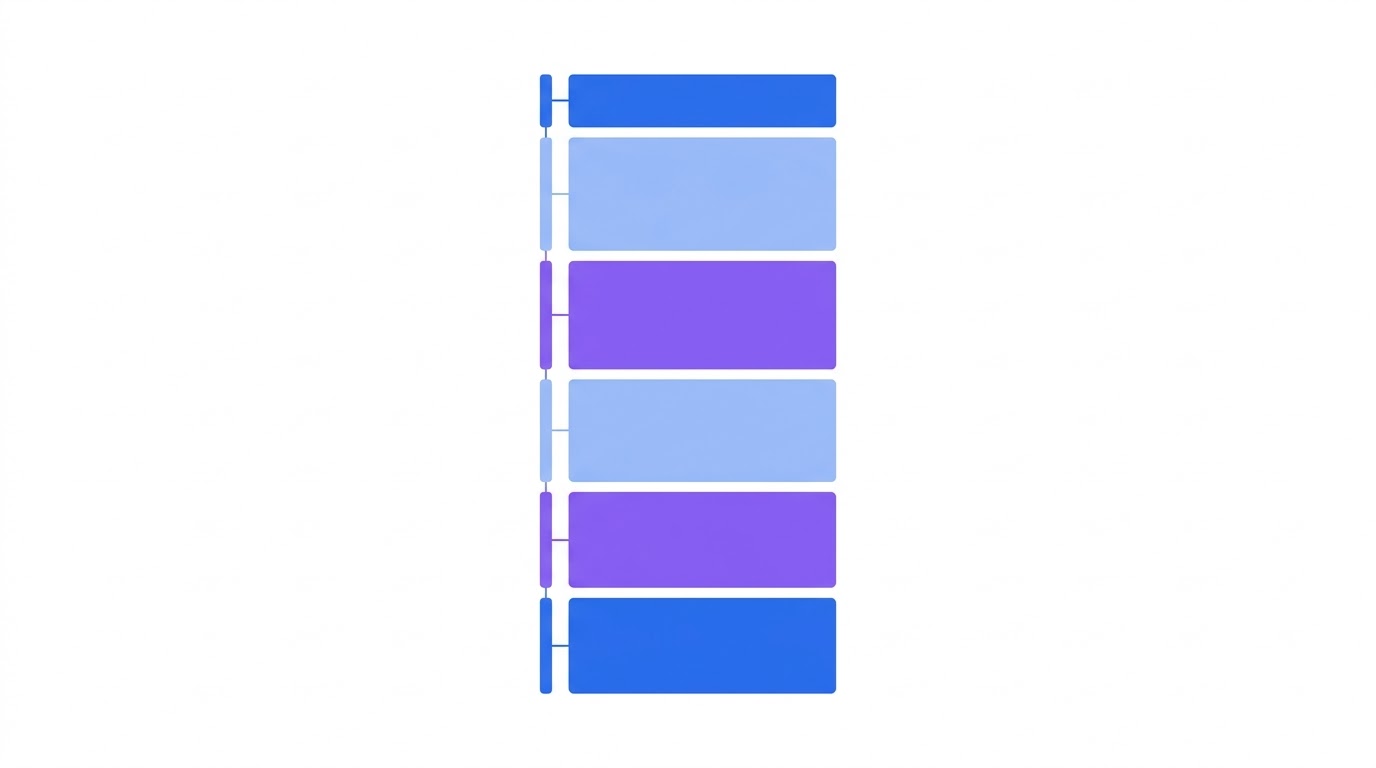
The structure of an order confirmation has settled and barely varies across industries. The order of blocks matters more than the styling: people look for specific facts and must find them immediately.
- order number and date — large, at the very top
- order contents: items, quantities, price per line
- the total with shipping and taxes on separate lines
- delivery address and the chosen method
- expected timing and a tracking link where available
- returns terms in one or two lines
- how to get in touch if something is wrong with the order
The most common mistake is burying the order number in the footer. It is the first thing someone looks for when they come back to the email a week later.
Where the legal boundary falls
Here begins the zone where even experienced marketers get it wrong. In most jurisdictions transactional emails do not require marketing consent: they form part of fulfilling a contract. But that exemption holds only while the email stays transactional.
Add a promotional banner, a product carousel and a coupon to an order confirmation, and the email is effectively marketing. The rules for campaigns then apply: consent, unsubscribe, content restrictions. In Brazil that is LGPD territory, in Mexico LFPDPPP, in Russia the personal data and advertising laws.
- safe: a "may be useful" block linking to help and returns terms
- safe: accessories related to what was actually bought, without discounts or calls to action
- borderline: a selection of popular products unrelated to the order
- risky: a promo code, a sale banner, an invitation to subscribe
A practical test: if removing the promotional block leaves the email meaningless, it is transactional. If the email still works fine and the block was added as an extra, you are in campaign territory.
Technical requirements
Design requirements are stricter here than for promotional email. These messages are opened on every kind of device, including old clients, and the content has to be readable regardless.
- the layout must survive without images: key facts as text, not inside a picture
- the tracking link as a plain link, not only as a button
- the order number must be copyable, meaning it has to be text
- sender name and subject line free of promotional vocabulary, or the email lands in Promotions
- a separate domain or subdomain for transactional sending
The last point deserves explanation. If transactional email leaves from the same domain as your campaigns, deliverability trouble with campaigns drags order confirmations down with it. And a password reset in the spam folder is a support ticket and a lost customer.
How to measure them
Open rate is even less meaningful here than in campaigns. Apple mail privacy protection inflates it by 15 to 20 points, and transactional email is disproportionately opened on phones.
Measure click-to-open rate and conversion to the intended action: did the person open tracking, reset the password, view the receipt. Those cannot be faked.
How to build one
The Mailvex library includes transactional templates for different industries: order confirmations, shipping notices, emails for online schools and services. Each contains an order contents block, a totals block and a footer with help links.
Your brand kit applies automatically, so an order confirmation looks like an email from your company rather than a system notice from an email provider.
Start from a ready transactional template.
Browse the collectionFrequently asked questions
Can I put advertising in an order confirmation?
Technically yes, legally risky. Adding a promotional block turns a transactional email into a marketing one, with all the consent and unsubscribe obligations. The safe option is accessories related to what was bought, without discounts or subscribe prompts.
Does a transactional email need an unsubscribe link?
You cannot unsubscribe from genuinely transactional notices — they are part of fulfilling a contract. But if you added a promotional block, an unsubscribe link becomes mandatory.
Why do my transactional emails land in Promotions?
Usually promotional vocabulary in the subject and body, or sending from the same domain as your campaigns. A separate subdomain for transactional email and a neutral subject line without sale wording both help.