How to Build an Email Without a Designer or Developer
What you can genuinely do alone and what still needs a person
Mailvex · 9 August 2026 · 5 min read
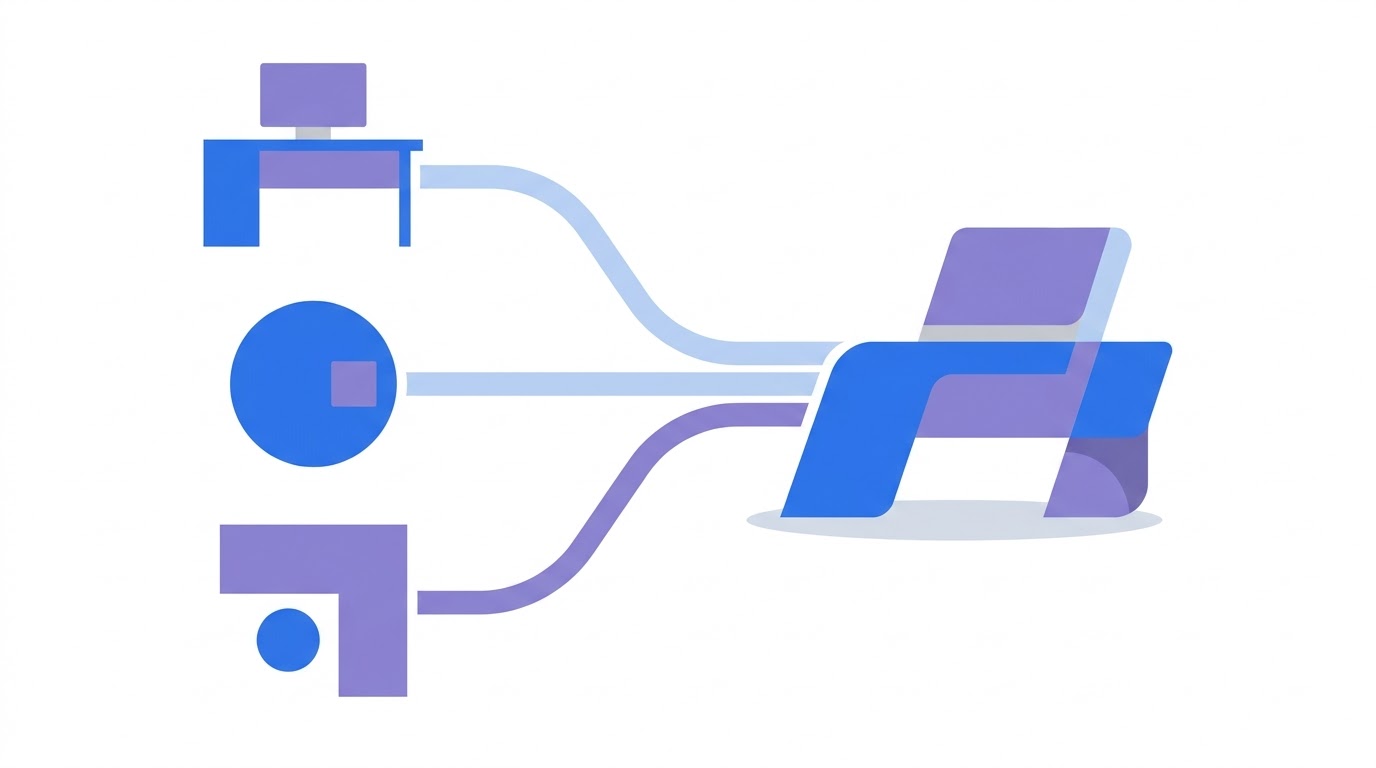
Building a brand-consistent email single-handed is now realistic: coding, email client compatibility and the mobile version are fully automated. Design and copy got easier but still need you. Below is the step-by-step order and an honest account of where automation stops.
What the job used to involve
An email used to pass through three people. A designer drew the layout, a developer turned it into HTML, a marketer wrote the copy and assembled everything. Every handover added time and lost intent.
The most expensive stage was the coding, and not because of design complexity. Email clients demand table layouts, inline styles and separate code for Outlook buttons — techniques abandoned in ordinary web development long ago. Few specialists still do this, and they price accordingly.
What changed in recent years
Over recent years three of those tasks moved into automation entirely.
| Task | How it used to be done | How long it takes now |
|---|---|---|
| Brand colours and fonts | a designer assembled them by hand | upload a PDF brand book, one minute |
| The email layout | a designer drew it in Figma | a ready template plus edits, 15 minutes |
| HTML coding | a developer, 2–4 hours | automatic at build time |
| Outlook compatibility | a separate developer task | built into the compiler |
| The mobile version | a separate task | per-block mobile settings |
| Copy | a copywriter or yourself | an AI draft plus editing |
| Images | stock or a designer | generation or stock inside the editor |
| Pre-send checks | from memory | a validation panel |
Note that what got automated is the technical work — the parts with a correct answer. Design and copy stayed with people, because there is no correct answer there, only an appropriate one.
The step-by-step order
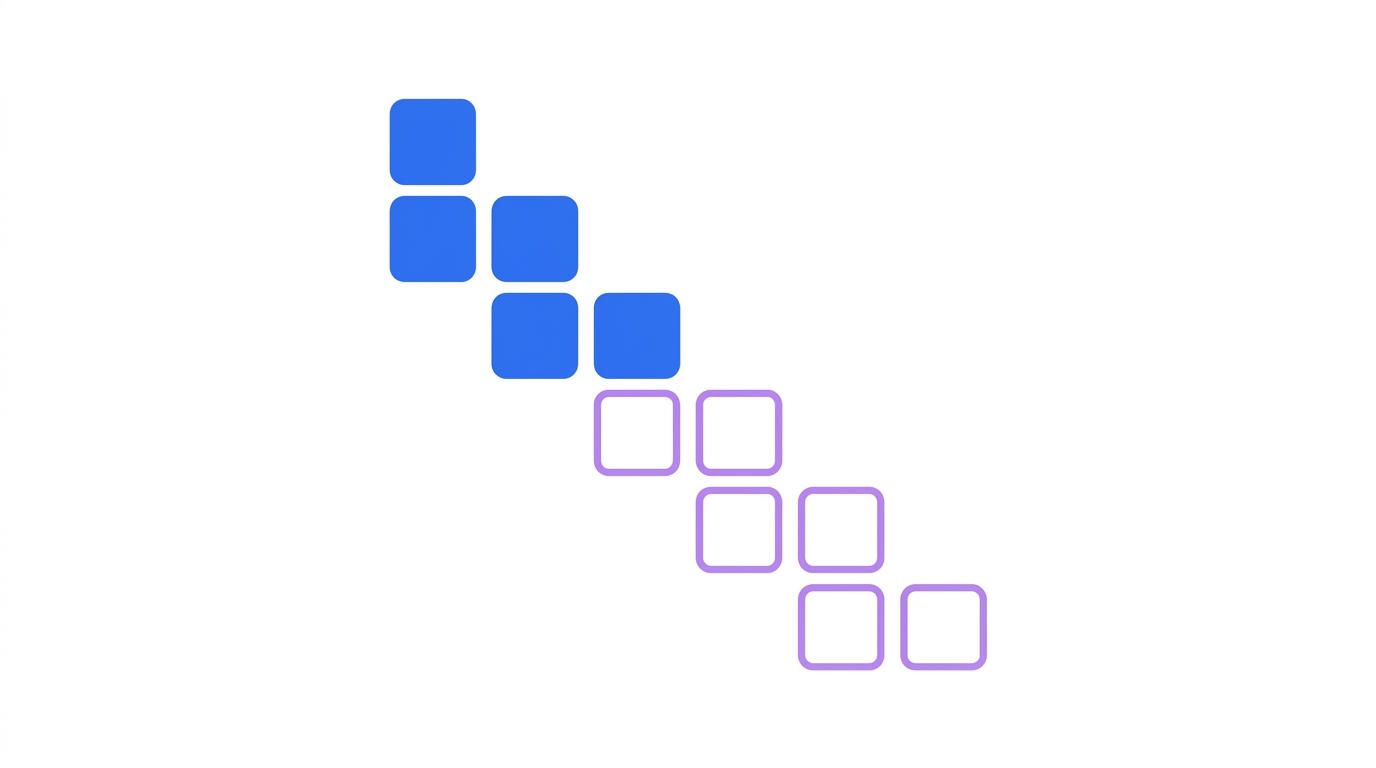
Order matters: start with the copy and add the brand kit at the end, and you will redo the styling.
- brand kit first: upload a PDF or fill a short questionnaire so colours, fonts and logo apply everywhere at once
- pick a ready template by email type and industry rather than building from scratch
- replace the copy with your own: AI gives a draft, you fix facts and tone
- drop in your own images or generate the missing ones
- check the mobile view and dark mode in the preview
- send yourself a test and open it on a phone
- export the HTML and paste it into your email service
The brand kit step saves the most. Without it every block needs recolouring by hand, and by the third email you will find your shade of blue has drifted.
Where a person is still needed
It is important not to overstate things here. Automation does not solve three of them, and pretending otherwise only fools you.
- what to say: an email without a clear offer stays pretty and useless
- who to say it to: segmentation needs an understanding of customers, not a tool
- factual accuracy: prices, timings and terms are checked only by a person
On AI copy specifically. A model will confidently write "next-day delivery" or "the discount runs until Friday" if it fits the tone. Verifying that falls to you, and it is not a formality.
There is a fourth case where a designer is genuinely needed: the non-standard brief. If an email must look fundamentally unlike anything the market produces, ready blocks will not deliver it. But such briefs are rare, and usually come from companies that already have a designer.
How long it takes in practice
A realistic estimate for a first email is an hour to ninety minutes, brand kit setup included. The second and subsequent emails take fifteen to twenty minutes, because the brand kit is already set and a template can be copied.
For comparison: under the three-specialist model the same email took one to three working days, and most of that was not production but waiting in each person queue.
Common mistakes when working alone
Working alone brings its own typical mistakes, and nearly all of them are technical.
- text below 14 pixels: an iPhone scales it up forcibly and the layout shifts
- the whole message inside an image: many clients do not load images by default
- an email over 100 kilobytes: Gmail clips the content along with the tracking pixel
- light grey text: it loses contrast in dark mode
- checking on a desktop only: most people will open the email on a phone
102KB
Email platform documentation: the threshold beyond which Gmail clips an email
The last point deserves emphasis. Litmus data puts a mobile client first by opens, so checking in a narrowed browser window proves nothing.
around 46%
Litmus: Apple Mail share of email opensWhere to start today
A practical entry point is taking a ready template and recolouring it to your brand kit. That takes less time than reading this article and immediately shows where automation works and where your input is needed.
The Mailvex library holds 73 templates across ten industries: online stores, fashion, real estate, online schools, beauty salons, food delivery and others. All are built on blocks compatible with email clients and recolour to a brand kit in a single action.
Take a ready template and recolour it to your brand.
Browse templatesFrequently asked questions
Will the email be as good as a designer would make?
For standard jobs, yes. Emails are built from a limited set of patterns and ready blocks cover them. A designer is needed when the brief falls fundamentally outside those patterns, which is not often.
Do I need to know how to code emails?
No. Table layout, inline styles, Outlook compatibility and the mobile version are produced automatically when the email is built. Your part is assembling blocks and filling in content.
How long will the first email take?
An hour to ninety minutes including brand kit setup. After that, fifteen to twenty minutes per email, because the styling is already defined and templates can be copied.