Email Marketing for an Online Store: The Full Map and Launch Order
Nine email types, what to launch first and what to expect from each
Mailvex · 9 August 2026 · 5 min read
An online store needs nine types of email, but not launched at once. Three automated flows come first: welcome, abandoned cart and order confirmation. They produce the bulk of the revenue from the channel, and the other six get added as you grow. Below is the full map and the order to build it in.
Why automation beats campaigns
The fact that reorders priorities: automated email produces disproportionately relative to send volume.
41% of revenue from 5.3% of sends
Industry research: share of email revenue from automated flows, 183,000 brands
The gap per email is starker still: an automated message earns several dollars, a broadcast earns cents. The reason is not the design but the timing — automation fires when someone has just shown interest.
$2.87 against $0.07
Industry research: revenue per automated email versus per broadcast
Which leads to a conclusion many people get backwards: they set up a regular newsletter first and postpone automation. The reverse is right — three automated flows will out-earn a weekly newsletter and demand far less ongoing effort.
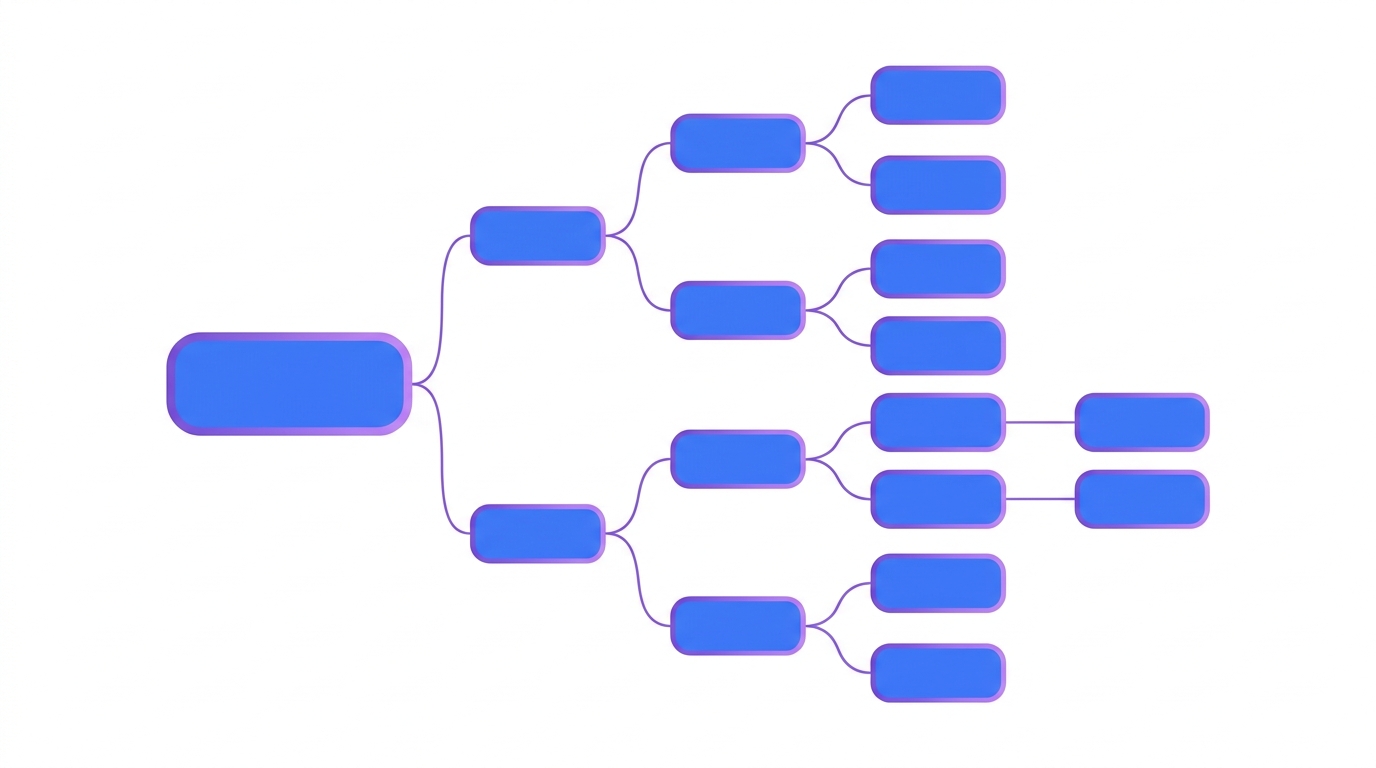
The full email map
The full set looks like this. Pay more attention to the priority column than to the list itself.
| What triggers it | Launch priority | |
|---|---|---|
| Welcome series | after signup | first |
| Abandoned cart | an hour after leaving | first |
| Order confirmation | right after payment | first |
| Shipping notice | on status change | second |
| Browse abandonment | a day after the visit | second |
| Review request | 7–14 days after delivery | second |
| Replenishment | on the consumption cycle | third |
| Re-engagement | after 90 days of silence | third |
| Promotional campaign | by calendar | ongoing |
The priority logic is simple. The first tier catches people at peak interest. The second retains someone who has already bought. The third brings back someone who left.
What to launch first
The three first-tier flows cover three critical moments: someone just subscribed, someone changed their mind about buying, someone bought.
- welcome series — three emails: confirmation with whatever was promised, value, a first reason to buy
- abandoned cart — three emails: after an hour, after a day, after two or three days
- order confirmation — a single email, but the most-read one you will ever send
On abandoned carts, remember that seven people in ten abandon, and that is a normal figure rather than a sign of breakage. A large share of them never intended to buy on that visit.
Order confirmations are often dismissed as a technical formality. Yet they are opened more often than any promotional email, and a well-built confirmation does more for trust than another sale campaign.
The second tier
The second tier goes live once the first three run reliably. These emails do not produce immediate revenue but noticeably affect repeat purchase.
- shipping notice — reduces support load and raises satisfaction
- browse abandonment — gentler than the cart, fires a day after the visit
- review request — one to two weeks after delivery, not sooner
Browse abandonment needs care. An email along the lines of "you were looking at these trainers" strikes many people as intrusive, so the tone should be softer than in the cart flow and the frequency lower.
The third tier and ongoing campaigns
The third tier is about winning people back. It goes live once the list has been running long enough to contain people who left.
- replenishment — on the consumption cycle: pet food after a month, contact lenses after a quarter
- re-engagement — three emails after 90 days of silence, then sunsetting the non-responders
- promotional campaigns — the only non-automated item, running on a calendar
On re-engagement, the main value is not winning subscribers back but protecting deliverability: a silent portion of the list drags inbox placement down for everyone else.
Which numbers count as normal
Set expectations early or normal results will look like failure.
- cart recovery through email lands in low single digits, and that is normal
- welcome email conversion sits around two percent
- order confirmations are opened 60 to 70% of the time
- re-engagement wins back between 3 and 12% of inactive subscribers
And a warning about open rates. Apple mail privacy protection registers opens automatically, so industry figures differ several-fold. Compare against your own trend and measure clicks and revenue rather than opens.
Where to start in one evening
A realistic plan for one evening: assemble the three first-tier emails from ready templates, fill in your products and shipping terms, apply your brand kit and connect them in your email service. Add the other six one at a time once these are running.
The Mailvex library covers all nine types, grouped by industry: online stores, fashion, food delivery, retail. Your brand kit applies to every email at once, so a flow reads as one series rather than several different senders.
Start from ready templates for online stores.
Browse the collectionFrequently asked questions
How many emails does an online store need to start?
Three automated flows: welcome, abandoned cart and order confirmation. They cover three critical moments and produce most of the revenue from the channel. Everything else gets added gradually.
Which comes first, automation or a regular newsletter?
Automation. It earns more from fewer sends and requires no ongoing content production. A regular newsletter makes sense once the automated flows are already running.
How do I know the emails are working?
By revenue per email and by clicks, not by open rate, which is distorted by Apple privacy protection. Compare against your own trend: industry benchmarks are measured differently and vary several-fold.