
Email for an Online School: Nine Emails from Lead Magnet to Second Course
Why the logic differs from an online store
Mailvex · 9 August 2026 · 5 min read
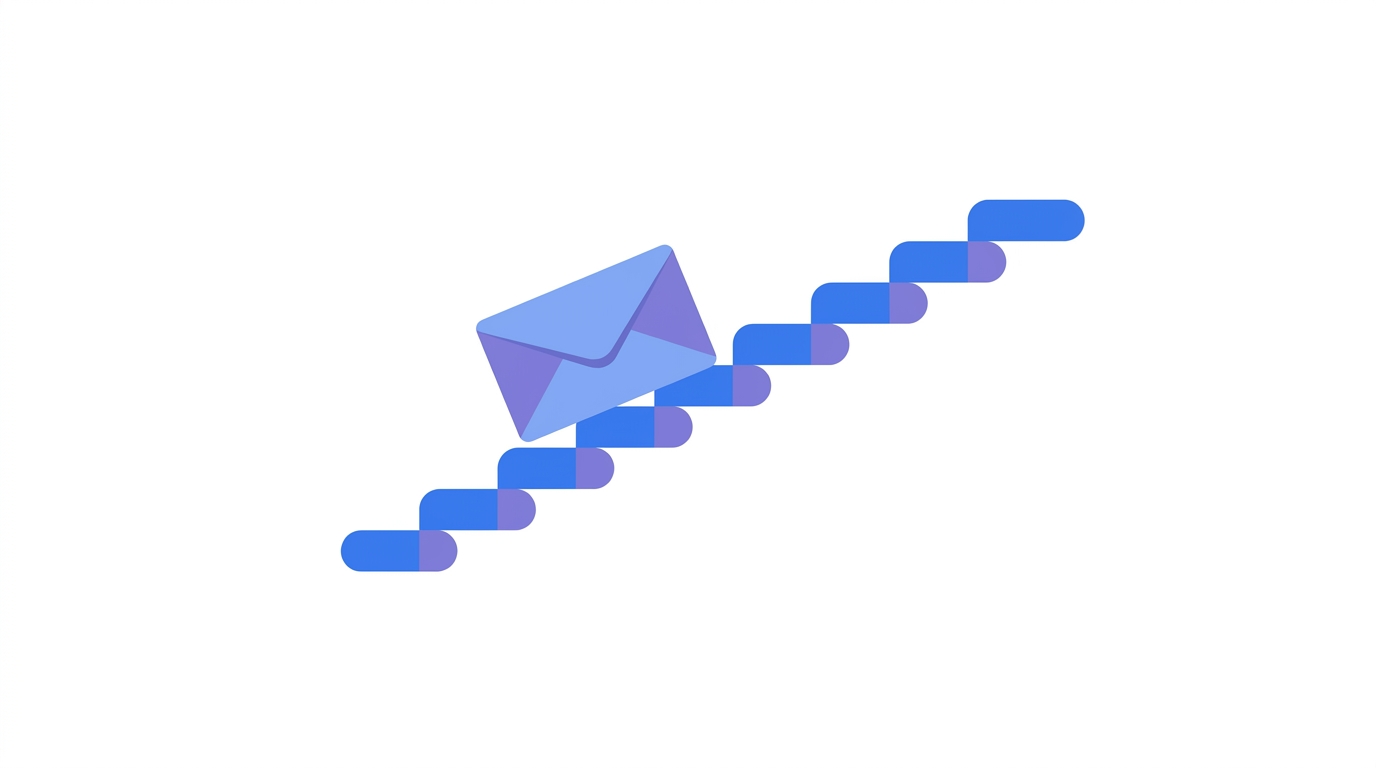
An online school needs nine emails, and only three of them are about selling. The other six work on course completion — and completion decides whether someone buys the next level and recommends you. Below is the map by stage and why a lesson reminder beats another promotional email.
How education differs from retail
The key difference from retail: for a store the transaction ends at purchase, for a school it begins there. Someone who paid for a course and abandoned it at lesson three formally produced revenue but is in fact a lost customer — they will not buy the next course and will not bring friends.
Priorities shift accordingly. In a store most emails work on conversion; in a school they work on keeping people engaged with the learning.
The second difference is cycle length. Weeks and sometimes months pass between first contact and purchase in education. People read, hesitate, postpone. An email here does not push an impulse buy; it accompanies a slow decision.
A map of nine emails
The full set looks like this. Three emails before purchase, one at purchase and five after.
| Stage | Job | |
|---|---|---|
| Before purchase | Lead magnet | deliver the promised material immediately |
| Before purchase | Nurture, 3–5 emails | show value before payment |
| Before purchase | Enrolment closing reminder | give a reason to decide |
| Purchase | Payment and access confirmation | remove anxiety, provide entry |
| Learning | Course start | what to do on day one |
| Learning | Lesson reminder | bring them back to study |
| Learning | Catch-up for those behind | help without inducing guilt |
| Finish | Certificate and results | record the outcome |
| After | Next level | sell the second course |
Note the proportion: more than half the emails go to someone who has already paid. In an online store the picture is reversed.
Before purchase: nurture, not pressure
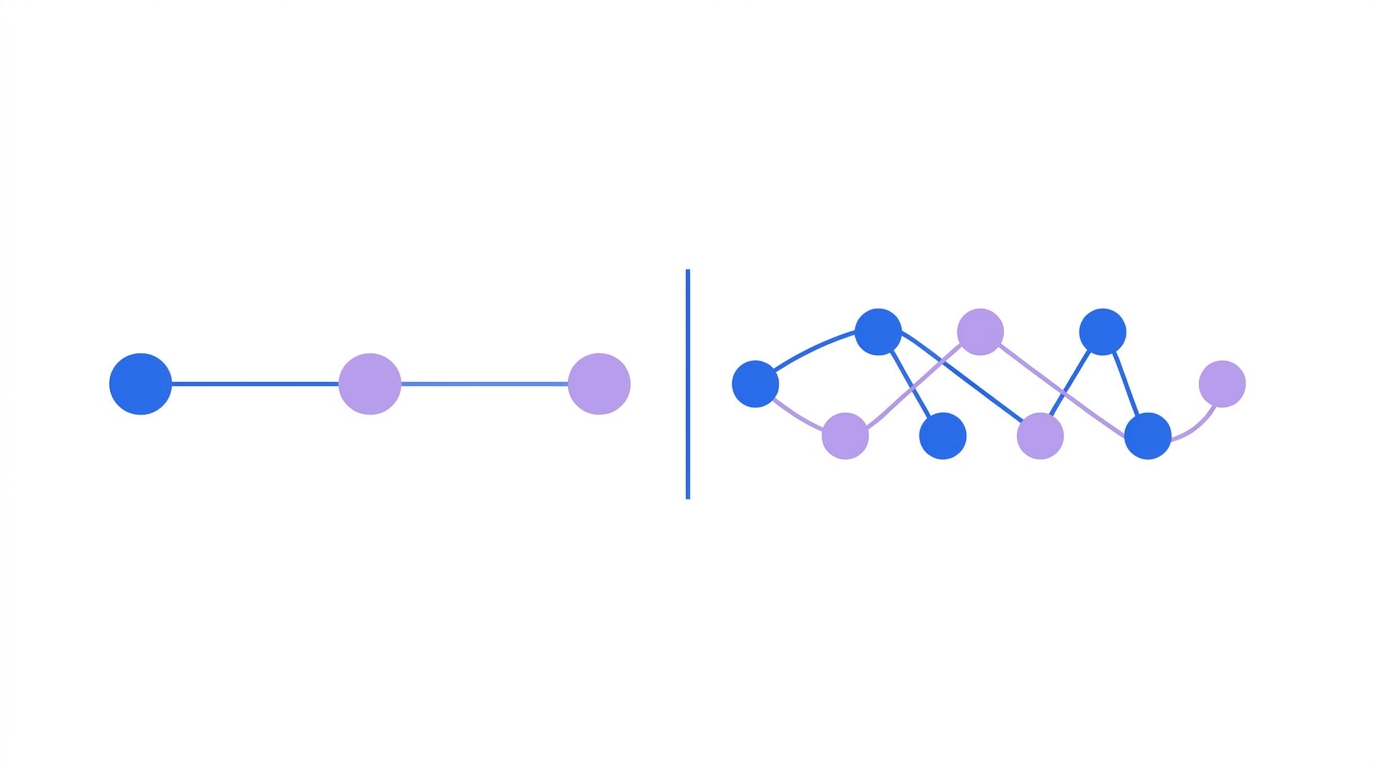
Nurture in education works differently from a promotional sequence in retail. The job is not to create urgency but to demonstrate teaching quality before anyone pays.
- the lead magnet is delivered immediately and unconditionally: a checklist, a walkthrough, a first lesson
- subsequent emails deliver value themselves rather than announcing it
- a breakdown of a common mistake works better than a description of the syllabus
- one student story convinces more than a module list
- the enrolment-closing reminder is the last email, not every email
A common mistake is pushing from the first email. In education that repels harder than in retail: people are choosing not a product but someone to learn from, and aggressive selling reads as a signal about quality.
The email after payment
The post-payment email matters more in education than an order confirmation does in a store. Someone has just paid a substantial sum for something intangible and feels natural anxiety about whether they made the right call.
- the login link and access details large, at the very top
- when the course starts and what to do before it does
- where to write if something does not work
- refund terms — their visibility reduces anxiety rather than provoking refunds
On refunds specifically. Many schools hide those terms, fearing a rise in requests. In practice visible terms work the other way: they remove anxiety and reduce support enquiries.
Reminders: the most underrated part
This is the most underrated part. A lesson reminder looks like a technical message, but it is what decides whether someone reaches the end.
The mechanism is simple: people buy a course on a wave of motivation, but the studying happens a week later when the wave has passed. The email brings them back at the moment their own impulse is gone.
- send the reminder the day before the lesson, not on the day
- keep it short: what this lesson covers and how long it takes
- one button leading straight into the lesson rather than to the account page
- no reproach for missed lessons: it lowers the chance of return
On length specifically. A reminder must read in fifteen seconds. A long email about the value of learning gets postponed along with the lesson itself.
Falling behind: bringing people back
A separate flow for those several lessons behind. Here tone matters more than content.
What works is removing the sense of failure. "You are four lessons behind" makes people close the email. "Coming back is easier than it looks: the next lesson works without the previous ones" brings them back.
A practical device: offer a specific entry point. Not "continue your studies" but "start with lesson five, the earlier ones can wait" — that removes the need to catch up on everything at once.
The finish and the next level
The certificate is not a formality but material for social proof. Build that email so it is easy to share, and say so directly.
The next-level offer goes out a week or two after the finish, not immediately — once someone has applied what they learned and felt the gap. An email on the final day competes with the feeling of completion.
41% of revenue from 5.3% of sends
Industry research: share of email revenue from automated flows, 183,000 brands
All nine emails are automated. Configured once, they run for every new cohort without further input, unlike regular campaigns that must be produced anew.
The Mailvex library includes education templates: course access emails, lesson reminders, certificates and next-level invitations. Your brand kit applies to every email at once, so the sequence reads as one programme rather than several different senders.
Start from ready templates for online schools.
Browse the collectionFrequently asked questions
How many emails should go out during a course?
One reminder before each lesson plus a catch-up flow for those falling behind. Extra emails about the value of learning are usually redundant: the person already bought, they need bringing back to lessons rather than convincing again.
Do lesson reminders annoy people?
Less often than you would think, provided they are short and lead straight into the lesson. What annoys is long motivational copy and reproach for absences. A useful reminder reads in fifteen seconds.
When should I offer the next course?
One to two weeks after the finish, not on the final day. People need time to apply what they learned and feel what is missing. An email on the last day competes with the feeling of completion.