
Re-engaging Dormant Subscribers: Why Cleaning the List Matters More Than Winning Them Back
How to build the sequence and when to stop sending
Mailvex · 9 August 2026 · 4 min read
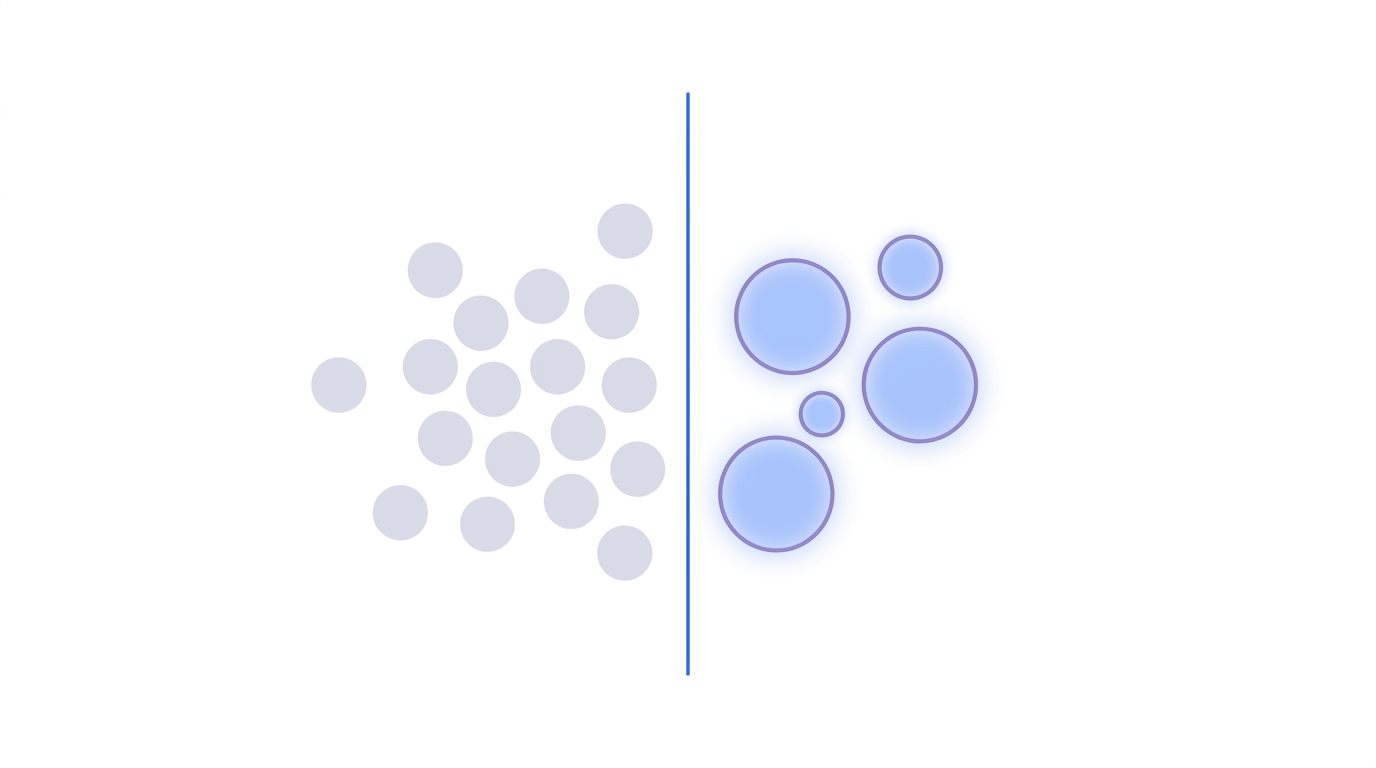
A re-engagement sequence is three emails a week apart, followed by sunsetting everyone who did not respond. You will win back between 3 and 12% of inactive subscribers. But the main value is not the win-back: it is protecting deliverability for the rest of your list.
What this is actually for
Most articles on re-engagement explain how to bring a subscriber back. That is the secondary job. The primary one is working out who is not worth bringing back, and stopping.
The mechanism works like this. Mailbox providers judge a sender by how recipients respond to their mail. If a large share of your list has ignored you for years, Gmail, Outlook and other providers read that as a signal that people do not want this sender. Inbox placement then falls — for everyone, including the people who read you regularly.
It becomes a loop: inactive contacts drag down your metrics, the metrics drag down deliverability, and worse deliverability lowers engagement among the active. Re-engagement breaks the loop — first it tries to win back, then it cuts.
Who counts as dormant
The inactivity threshold depends on how often you send. The same number means very different things for a daily newsletter and a monthly one.
| Sending frequency | Inactivity threshold |
|---|---|
| Daily | 30–45 days |
| Weekly | 60–90 days |
| Every two weeks | 90–120 days |
| Monthly | 120–180 days |
Count actions rather than opens. Opens are distorted by Apple mail privacy protection, which registers an open automatically even when nobody read the message. Base the segment on clicks and purchases.
A three-email sequence
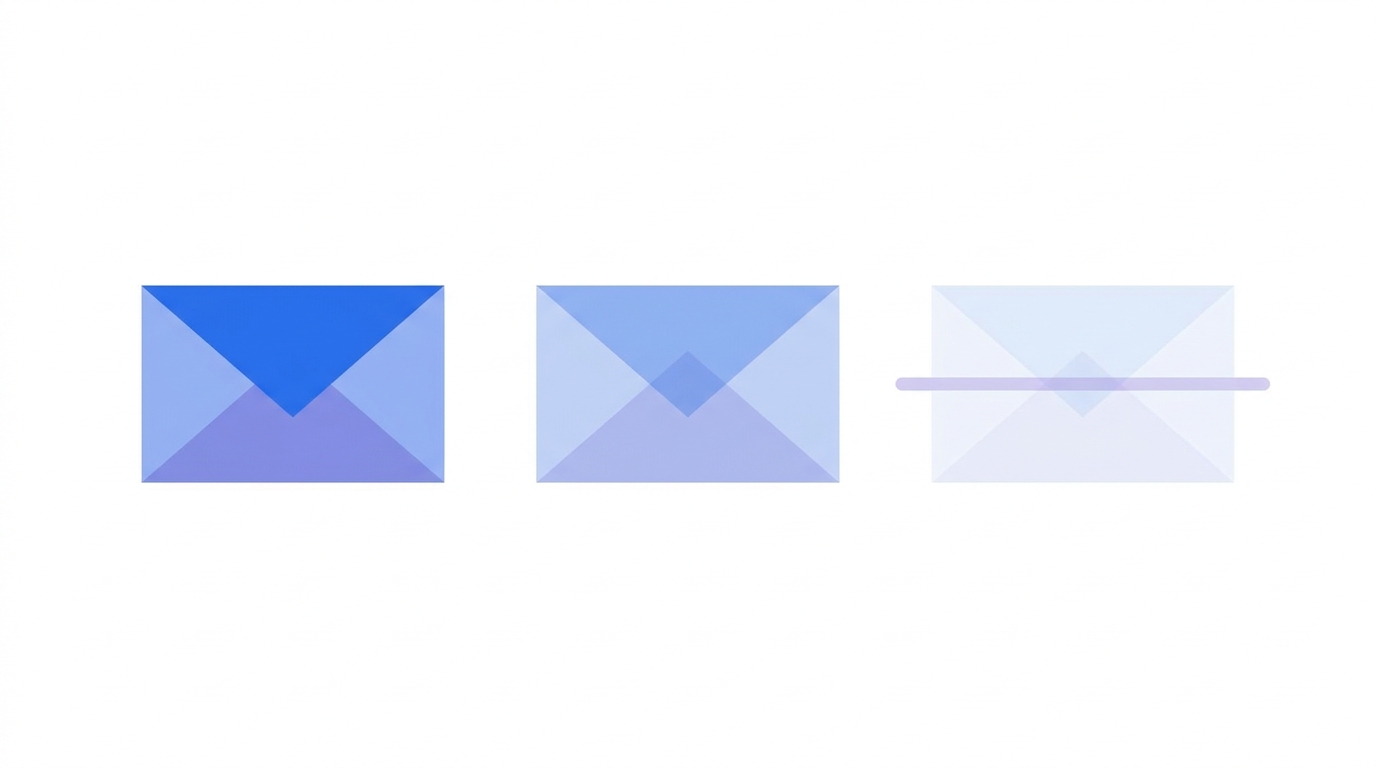
Three emails a week apart is the standard pattern. Each does a different job rather than repeating the previous one.
- first: a soft reminder — what has changed on your side, no pressure and no discount
- second: an offer of choice — change frequency, change topics, or unsubscribe
- third: a final email stating plainly that the sending will stop
What to write in each
The second email is often the most productive. People stop opening not because you are irrelevant but because you send too often or write about the wrong things. Offering to adjust the format instead of leaving brings back more people than a discount does.
The third email is both a last attempt and an honest warning. A line such as "this is the last email you will receive unless you open it" works better than a vague "we miss you": it gives a clear choice and creates natural urgency.
Sunsetting: the step everyone skips
This is the step skipped most often, after which people wonder why deliverability fell. Following the third email, silent subscribers should move to a separate segment and out of regular sends.
90–180 days or 3–4 attempts
Industry research: when to remove a subscriber from marketing sends
- do not delete the addresses — move them to a suppressed segment
- keep them for reporting and for a possible future purchase
- exclude them from all regular campaigns but keep transactional email flowing
- if the person buys or subscribes again, they return to the list automatically
There is a financial angle too: nearly every email service charges by contact count. Sunsetting inactive contacts lowers the bill and improves deliverability at the same time — a rare case where saving money and improving results coincide.
How many actually come back
Set expectations up front. Re-engagement does not recover half your list, and published win-back figures differ because vendors define success differently: an open, a click or a purchase.
between 3 and 12%
Aggregated industry data: share of inactive subscribers won back
Open rates in the dormant segment are predictably lower than among active subscribers: roughly 15–25% against 30–45%. Do not be alarmed by that — you are writing to people who have ignored you for a long time, and a weak response is normal here.
How to build the sequence
The Mailvex library includes re-engagement templates for different industries. Each contains a preference block, an unsubscribe block and a clear return button, so the three emails of the sequence assemble from ready parts.
Your brand kit applies to all of them at once, so the sequence reads as one series. Synced modules let you change a footer across all three emails in a single action.
Start from a ready re-engagement template.
Browse the collectionFrequently asked questions
Will I not lose subscribers by sunsetting the inactive ones?
Formally yes, the list gets smaller. In practice you lose people who were not reading you anyway, and gain better inbox placement for everyone else. A smaller, live list produces more revenue than a large, silent one.
How often should I run re-engagement?
Quarterly for most programmes. More often if you send daily, less often if you send rarely. Regularity matters more than timing: a one-off clean-up has a temporary effect.
Does a re-engagement email need a discount?
Not necessarily, and not in the first email. A large share of inactive subscribers left over frequency or topic mismatch rather than price. The option to tailor what they receive often brings back more people than a coupon.
